
We can’t wait to hear from you. Please feel free to contact a Global Technical Recruiters representative with any questions regarding how to find a new job or how to find qualified candidates for your open position.
Visit our GTR Locations page for our Office Addresses
Cleveland East: 216-379-4828
Cleveland West: 216-206-7168
Westlake: 440-365-1670
Akron: 330-208-9014
Youngstown: 330-729-5286
Columbus: 614-782-1333
Mon - Fri: 8am - 5pm
Sat - Sun: Closed
Would you like to join our growing team ?
sales@gtrjobs.com
Would you like to join our growing team?
careers@hub.com
We’re here to answer any question you may have.
The “Great Resignation” may seem like it’s behind us, but the effects of a change in the workforce and a very apparent skills gap haven’t made it any easier for manufacturing teams to fill in open positions on their teams.
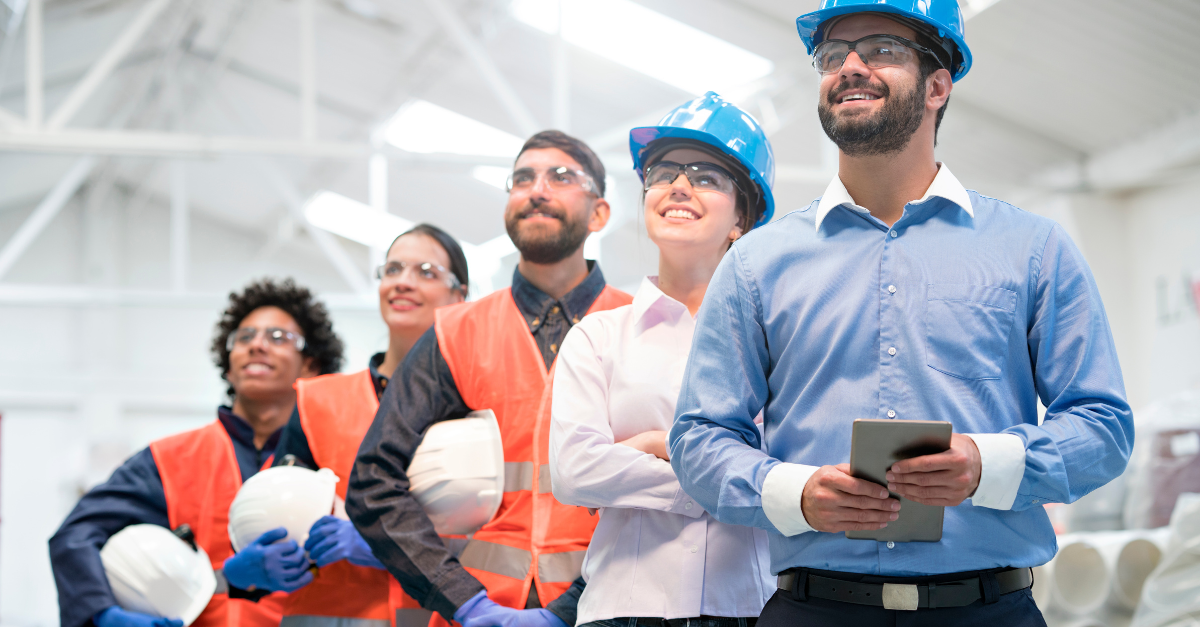
As manufacturing processes evolve, job roles are also changing. Some traditional roles may become obsolete, while new roles requiring advanced skills emerge. Reskilling and upskilling initiatives help employees adapt to these changes and take on new responsibilities. Cross-training and upskilling programs empower employees to handle diverse tasks and roles within the manufacturing environment. This flexibility enables teams to respond quickly to changing demands and shifts in production requirements and move effortlessly into different roles as time passes.
Upskilling encourages a culture of problem-solving. Employees with enhanced skills are more likely to contribute ideas, propose improvements, and creatively address challenges, fostering a culture of continuous improvement. Upskilling allows employees to stay informed about industry trends and emerging customer preferences. This foresight enables businesses to proactively adjust their offerings to align with future customer demands.
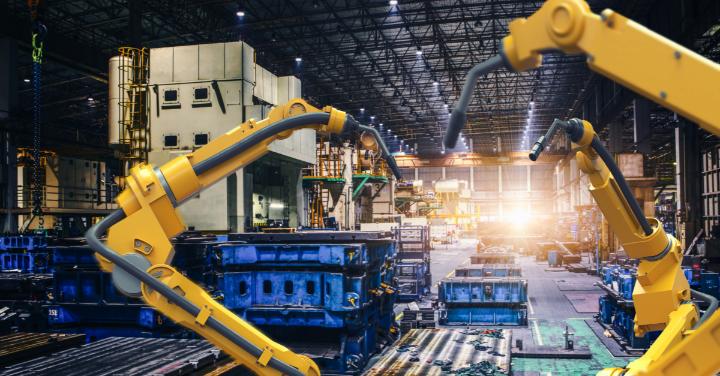
The manufacturing industry is undergoing rapid technological transformations, with the adoption of automation, robotics, and advanced machinery. To stay competitive, businesses need employees who can operate, manage, and maintain these technologies. Manufacturing is undergoing rapid technological transformations, and upskilling/reskilling ensures that employees can effectively operate, troubleshoot, and leverage new technologies. This adaptability is crucial as manufacturing processes become more automated and digitally driven.
The benefits are profound — from enhancing workforce agility and adapting to technological advancements to fostering innovation and securing a competitive edge. As we navigate the dynamic challenges of the industry, one thing is clear: investing in the skills and knowledge of our workforce is not just a choice; it’s a necessity. The transformative power of upskilling and reskilling is not only shaping the future of manufacturing but also ensuring that businesses thrive in the face of change. Embrace the journey of continual learning, and watch your manufacturing endeavors unfold with resilience, proficiency, and a workforce poised for success in the years to come.
Adding {{itemName}} to cart
Added {{itemName}} to cart