Keeping employees safe and healthy has always been a focus for businesses. However, the COVID-19 pandemic has shown a lot of employers that it’s time to step up their game and create a work environment that reduces the risk of transmission of COVID-19.
The manufacturing industry isn’t an industry that can “work from home.” A jet, automobile, electronic device, or level gauge cannot be built anywhere other than on location. So it’s important that manufacturers everywhere create procedures and policies that allow for social distancing and increased sanitization of spaces so employees feel comfortable and safe enough to work.
For the hands-on and ever-present workforce, social distancing, staggering shifts, and heightened hygienic practices are the way of the future. While the many states in the US work diligently to bring back the manufacturing industry to it’s full operational capacity (and with it, 8% of the employment to those in the workforce), it’s imperative that businesses take employee safety with respect to COVID-19 very seriously. This includes social distancing, staggered shifts in an effort to increase workload while decreasing the number of employees in one space at a time, increased in hygienic policies and procedures are all quickly becoming the new normal.
Manufacturing organizations have released some guidelines for manufacturers in order to abide by social distancing guidelines.
Another way that manufacturers can abide by social distancing guidelines is to separate employees by 6 feet or more. Train employees on what 6 feet of separation looks like and enforce it by marking off 6 foot increments in highly traveled spaces. This keeps employees apart and is another layer of safety for everyone.
Mark off 6 foot sections between workers in places like assembly lines. Make sure that employees understand those markings and how they are designed to keep them safe. Installing plexiglass dividers can also help in maintaining social distancing guidelines as well.
Manufacturers can close down common areas such as break rooms and any employee lounge areas to discourage congregating. While this may make it hard for some employees to find another place to eat, it discourages congregating of employees in a space that doesn’t allow for social distancing to be followed. If closing a lunch room isn’t a possibility, signs on chairs could show employees which chairs they could sit in and which they should avoid. With this comes a need for a team to be always available to clean and sanitize any surface that a person has come in contact with (including chairs in the lunchroom).
In addition, staggering break times even more than before allows for less employees to come in contact with one another therefore reducing risk of possible exposure even further. If you have a normal break time for lunch, consider adding multiple before and after the traditional lunch hour so there are less people leaving and re-entering at the same time. A rotating schedule allows for people who may not like their earlier or later than normal lunch hour to be able to take advantage of all the different lunch hours.
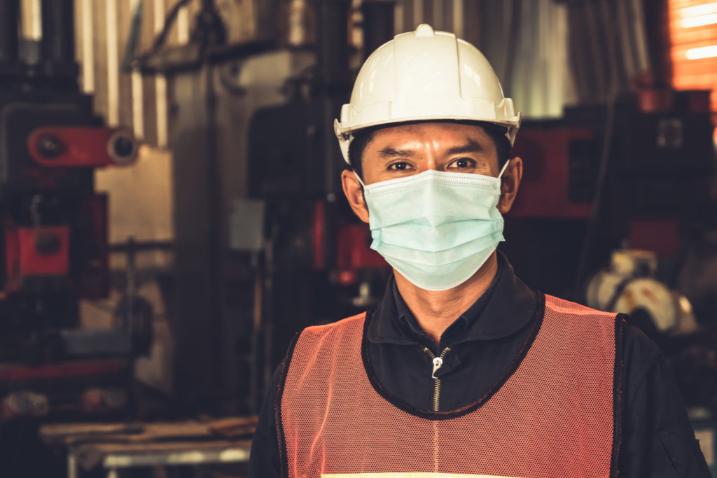
If social distancing of the recommended 6 feet isn’t possible, increasing an employees protective gear can keep employees safe and at a lower risk of catching COVID-19. Recommendations across many businesses and industries include wearing safety goggles at all times, more PPE-like gear (face shields and masks, if safe to do so), and donning masks and gloves for some tasks.
Another way to maintain social distancing and work to keep your employees as safe as possible is staggering shifts and adding more shifts than you normally operate under.
Staggering shifts also extends to people entering and exiting the facility. Staggering shifts, designated entrances and exits, and social distancing when waiting to enter common spaces are all ways to keep employees safe.
Consider discontinuing unnecessary entry into your facility and suspend all unnecessary deliveries and drop offs for another layer of security for you and your staff. Suspending unnecessary deliveries means less random people exposing or being exposed to your employees.
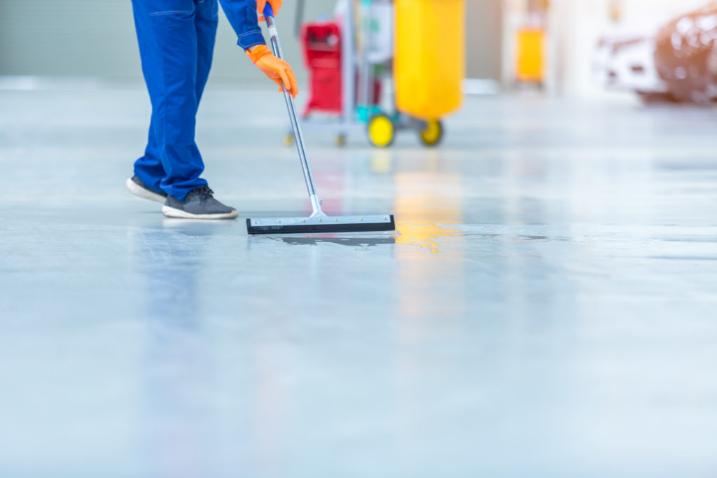
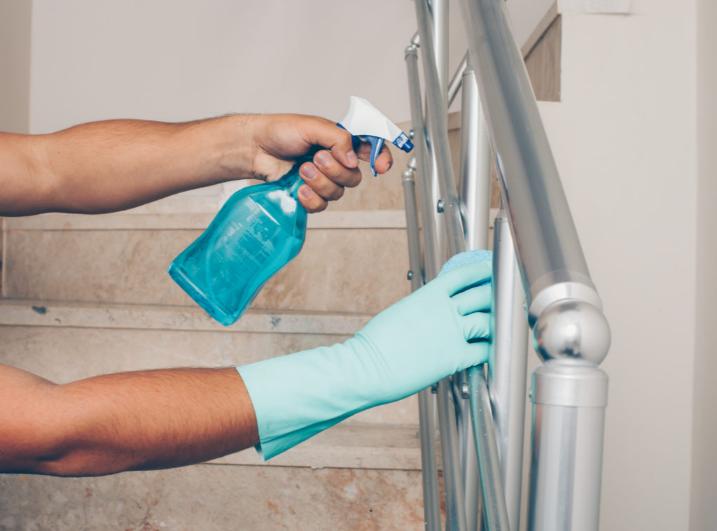
Allowing for cleaning to be done as often as directed (even while on the clock) will make a safer environment for all people in and around it. Securing proper supply channels to have the right cleaning and sanitizing products is just as important as having the cleaning procedures in place. Cleaning wipes, disinfectant, cleaning procedures and proper disposal of waste are all part of a hygienic environment and should be readily available for use whenever necessary.
Routine breaks for washing hands, requiring hand washing be done at the beginning and end of shifts, and hand sanitizer stations all across the facility can help encourage employees to keep washing their hands top of mind. Washing hands for 20 seconds with water and soap has been proven to be the key to keeping COVID-19 at bay.
Having a plan for increased absenteeism due to COVID-19 means being prepared for anything. If you plan and prepare for changing staffing levels you’ll be able to adjust at a moment’s notice. This means knowing how many employees you need to maintain production levels, where you can “borrow” employees from, and what partners are available for you to use to quickly fill in when needed.